Author: Rachael Gilg

  • Tïjonïk 46 (Unit 46) Le e winaq keb’e je la’ (Migration 2)

    Tïjonïk 46 (Unit 46) Le e winaq keb’e je la’ (Migration 2)

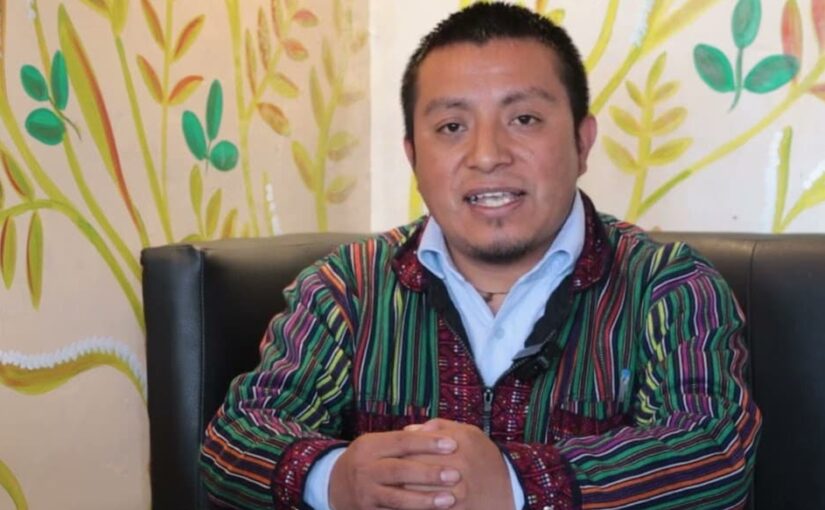
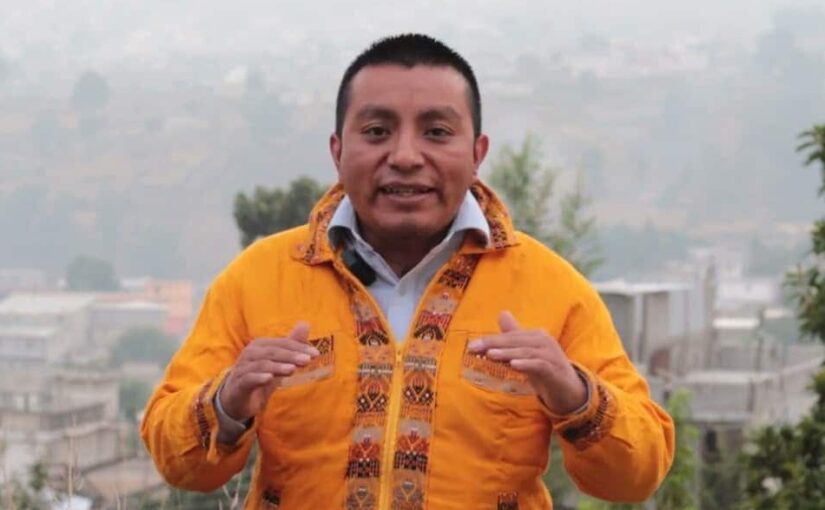
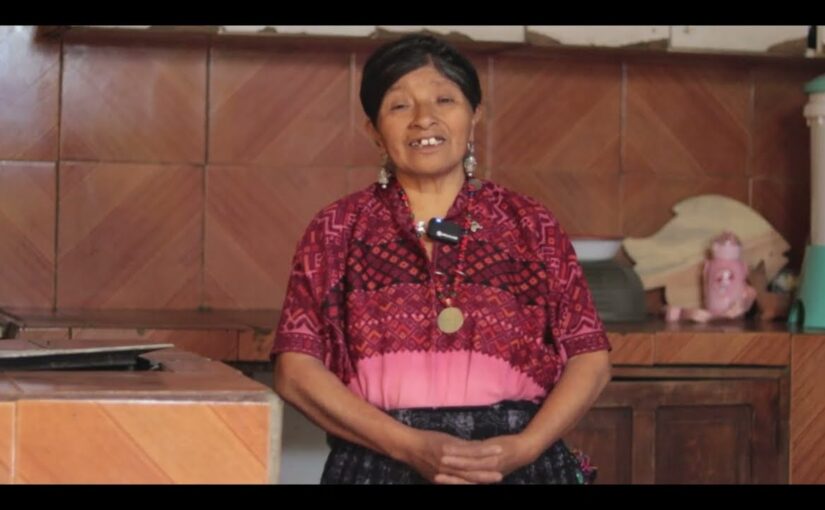
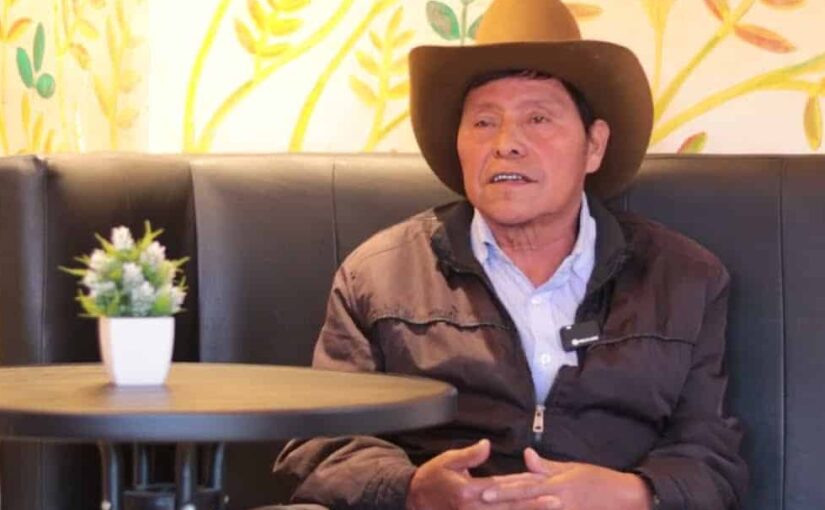
    In this lesson, you will hear the testimonies of people who talk about how migration to the United States has changed their community and family. They describe both the positive aspects—such as economic support—and the negative ones—such as family separation and addictions. Through their words, we will reflect on the reasons why many people decide to migrate, the challenges they face, and how these decisions affect those who stay behind.

    Jun One
    Tinamit Town, city
    Winaq Person (male or female)
    Uk’axal Difficulty
    Upa ja Family (not possessed)
    Waral Here
    Chuqe’ Also, as well
    Ak’alab’ Kid, child
    K’or Sometimes
    Nim Big
    Pwaq, rajil Money
    Tyox Thank you
    Chi’p ´The youngest child of the family
    Chanim Now
    Naj Far
    Ali Young lady
    -O’ch House
  • Tïjonïk 45 (Unit 45) Le e winaq keb’e je la’ (Migration 1)

    Tïjonïk 45 (Unit 45) Le e winaq keb’e je la’ (Migration 1)

    In this lesson—the first of two about migration—we will listen to a K’iche’ speaker explain some of the reasons why many people from their community have migrated to the United States. Pay close attention to how they describe the economic, social, and emotional impacts of migration, both positive and negative. As you listen or read, write down any new vocabulary you learn, especially words related to work, money, family life, and emotions. We will also discuss some key expressions in K’iche’ in the vocabulary section. Migration is not just a journey from one country to another—it is also a major change in the lives of individuals, families, and the entire community.

    Jachoj ib’ Divorce
    Chayunem Elections, comicios
    Ch’ab’al Idioma, lenguaje
    Itzel jastaq Vicio, perdición
    Kamik Hoy
    Waral Aquí
    Meb’ail Pertenencias
    Ajil tz’aqat Prójimo
    Katan De dos niveles
    Oxtan De tres niveles
    Jumul Una
    Ojer tzij Hace tiempos
    Winaq Persona, gente
  • Tïjonïk 44 (Unit 44) Cholq’ij (The Maya calendar)

    Tïjonïk 44 (Unit 44) Cholq’ij (The Maya calendar)

    En esta lección, aprenderemos cómo hacer tortillas siguiendo una descripción paso a paso de una hablante de k’iche’ que explica el proceso tradicional. Presta mucha atención al orden de cada paso, las herramientas que se utilizan y la importancia de cada acción. Mientras escuchas o lees, anota cualquier vocabulario nuevo que aprendas, especialmente palabras relacionadas con la cocina, las rutinas diarias y las prácticas culturales. También hablaremos sobre el significado de algunas palabras y expresiones clave en k’iche’ en la sección de vocabulario. Hacer tortillas es más que preparar comida: es parte de la vida cotidiana, de la identidad y de la tradición familiar.

    B’al Bolear
    Lej Tortilla
    Tzi Nixtamal
    Retin tzi Residuos de la nixtamalización
    Ka’ Piedra de moler
    Jub’eq’ Un poco
    Xchob’ Recipiente tipo coladera (en algunas regiones de México se llama pichancha)
    Xot Comal
    Aq’en Tabla de cortar (generalmente de madera)
    Joron Agua
    Iwir Ayer
    Chun Cal
    Mub’a’ Remojar
    Nik’aj ramaj Media hora
    Q’aq’ Fuego
    Q’or Masa
  • Tïjonïk 43 (Unit 43) Jas ub’anik le lej (How do you make tortillas)

    Tïjonïk 43 (Unit 43) Jas ub’anik le lej (How do you make tortillas)

    In this lesson, we will learn how to make tortillas by following a step-by-step description from a K’iche’ speaker who explains the traditional process. Pay close attention to the order of each step, the tools that are used, and the importance of each action. As you listen or read, write down any new vocabulary you learn, especially words related to cooking, daily routines, and cultural practices. We will also discuss the meaning of some key words and expressions in K’iche’ in the vocabulary section. Making tortillas is more than just preparing food—it is part of everyday life, identity, and family tradition.

    B’al To make into a ball
    Lej Tortilla
    Tzi Nixtamal (cooked corn soaked in calcium hydroxide)
    Retin tzi Residue from the nixtamalization process
    Ka’ Grinding stone
    Jub’eq’ A little bit
    Xchob’ A type of strainer or colander
    Xot Griddle, comal
    Aq’en Cutting board (usually wood)
    Joron Water
    Iwir Yesterday
    Chun Lime (calcium hydroxide, not the fruit)
    Mub’a’ Soak
    Nik’aj ramaj Half an hour
    Q’aq’ Fire
    Q’or Corn dough